


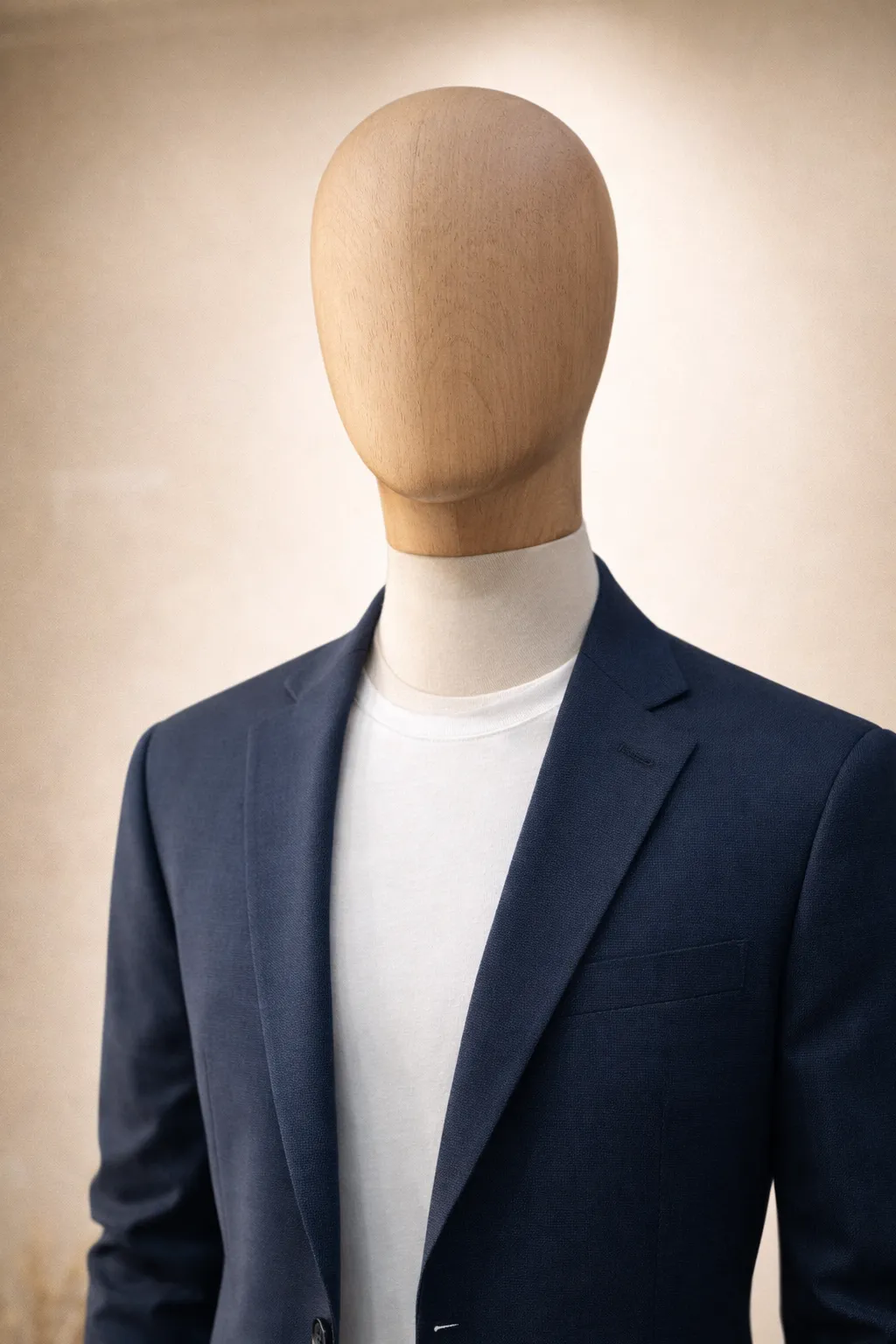
In today’s competitive retail landscape, store presentation plays a critical role in how fashion brands communicate identity and quality. Among the many display tools used in visual merchandising, fabric covered mannequins have become an increasingly popular choice for modern retail environments.
Unlike glossy mannequins, fabric-covered surfaces provide a softer and more refined visual appearance. This subtle texture helps garments stand out while creating an elegant atmosphere inside boutiques and fashion stores. For brands that prioritize craftsmanship and storytelling, fabric covered mannequins offer a display solution that aligns perfectly with contemporary retail aesthetics.
Why Fabric Covered Mannequins Are Preferred by Fashion Brands
Fashion brands carefully design every element of their store environment. From lighting and materials to furniture and display tools, each component contributes to the overall brand experience. Fabric covered mannequins support this approach by providing a neutral and sophisticated presentation platform for clothing.
The matte texture of fabric reduces unwanted reflections and allows garments to remain the focal point. Instead of competing with the clothing, the mannequin quietly enhances the visual presentation of the collection.
Improved Visual Merchandising
Visual merchandising professionals often seek display forms that highlight clothing details such as tailoring, fabric texture, and silhouette. Fabric covered mannequins help achieve this by offering a calm and understated appearance that supports the garment rather than dominating the display.
This is particularly important for premium and luxury brands where presentation must communicate craftsmanship and design precision.
Better Interaction with Retail Lighting
Retail stores frequently use directional lighting, spotlights, and ambient illumination to guide customer attention. Glossy mannequins can create harsh reflections under these conditions. Fabric covered mannequins, however, absorb light softly, allowing garments to appear more natural and visually balanced.
This lighting compatibility makes them ideal for modern boutiques and fashion showrooms.
The Role of Fabric Covered Mannequins in Brand Storytelling
Retail displays are no longer just about showing products. They are also about communicating brand identity and creating emotional connections with customers. Fabric covered mannequins help support this storytelling process by blending seamlessly into carefully designed store environments.
The texture of fabric surfaces often aligns with materials commonly used in modern retail interiors such as wood, linen, brushed metal, and natural stone. This harmony creates a cohesive visual language throughout the store.
Aesthetic Harmony in Store Design
Contemporary fashion stores often emphasize minimalist and refined design. Neutral tones and natural materials dominate many retail environments today. Fabric covered mannequins complement these design elements and help maintain visual consistency throughout the space.
Because the mannequin does not appear overly artificial or glossy, the overall store atmosphere feels warmer and more authentic.
Customization Possibilities
Another advantage of fabric covered mannequins is their flexibility in customization. Different fabrics, textures, and colors can be selected to match brand identity, seasonal collections, or store interior concepts.
This level of customization allows fashion brands to create unique display environments while maintaining consistent visual standards across multiple locations.
Fabric Covered Mannequins in Contemporary Retail Strategy
Modern fashion retail increasingly focuses on creating immersive brand experiences. Customers expect stores to feel curated, intentional, and visually inspiring. Display tools must therefore integrate smoothly with architectural design and merchandising concepts.
Fabric covered mannequins contribute to this strategy by offering a refined presence that complements garments without overwhelming them. Their understated appearance aligns with current retail trends that prioritize simplicity, elegance, and authenticity.
For visual merchandisers and retail designers, this makes fabric covered mannequins an essential component of effective store presentation.
Conclusion
As fashion retail continues to evolve, display tools must support both product presentation and brand storytelling. Fabric covered mannequins provide an elegant solution that enhances visual merchandising while maintaining harmony with modern retail environments.
For brands seeking a refined and professional store display, fabric covered mannequins remain one of the most effective ways to highlight garments and create memorable retail experiences.
Frequently Asked Questions About Fabric Covered Mannequins
Why do fashion brands choose fabric covered mannequins?
Fashion brands choose fabric covered mannequins because the matte fabric surface reduces reflections and allows garments to remain the visual focus of the display. This creates a more refined retail presentation.
Are fabric covered mannequins suitable for luxury retail stores?
Yes. Fabric covered mannequins are widely used in luxury boutiques because they provide a sophisticated appearance that aligns with premium store design and visual merchandising strategies.
Can fabric covered mannequins be customized?
Fabric covered mannequins can be customized using different fabrics, textures, and colors to match brand identity, seasonal campaigns, or store interior design concepts.
You may also explore our related articles about fabric covered mannequins vs standard mannequins to better understand which display solution suits different fashion retail environments.