

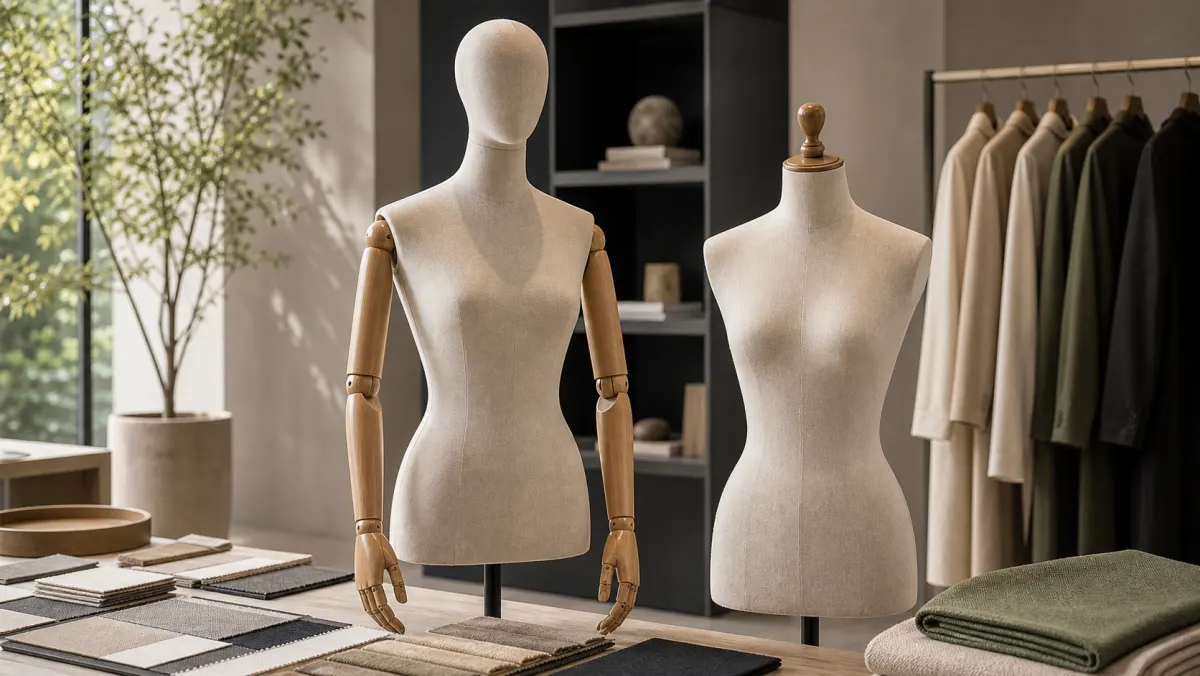
Premium retail mannequin proportions should be defined from the garment category, target customer image, store viewing distance, and sample approval standard rather than from a generic body chart alone. For fashion brands and boutique projects, the most useful specification usually combines shoulder width, bust or chest volume, waist definition, hip line, leg stance, neck treatment, and overall posture. The goal is not only a beautiful form, but a display tool that helps garments hang correctly, photograph cleanly, and repeat consistently across future orders. A supplier such as XINTU custom mannequins can use these details to turn a visual direction into a more controlled sample brief.
Definition: What Are Mannequin Proportions in Retail Display?
Mannequin proportions are the visible body relationships that shape how a garment sits on display. They include the width of the shoulders, the depth of the torso, the waist-to-hip relationship, the leg line, the arm position, and the stance. In premium retail, proportions also influence brand character. A narrow, elongated silhouette can feel refined and editorial, while a fuller body line may communicate approachability, comfort, or better fit for structured garments.
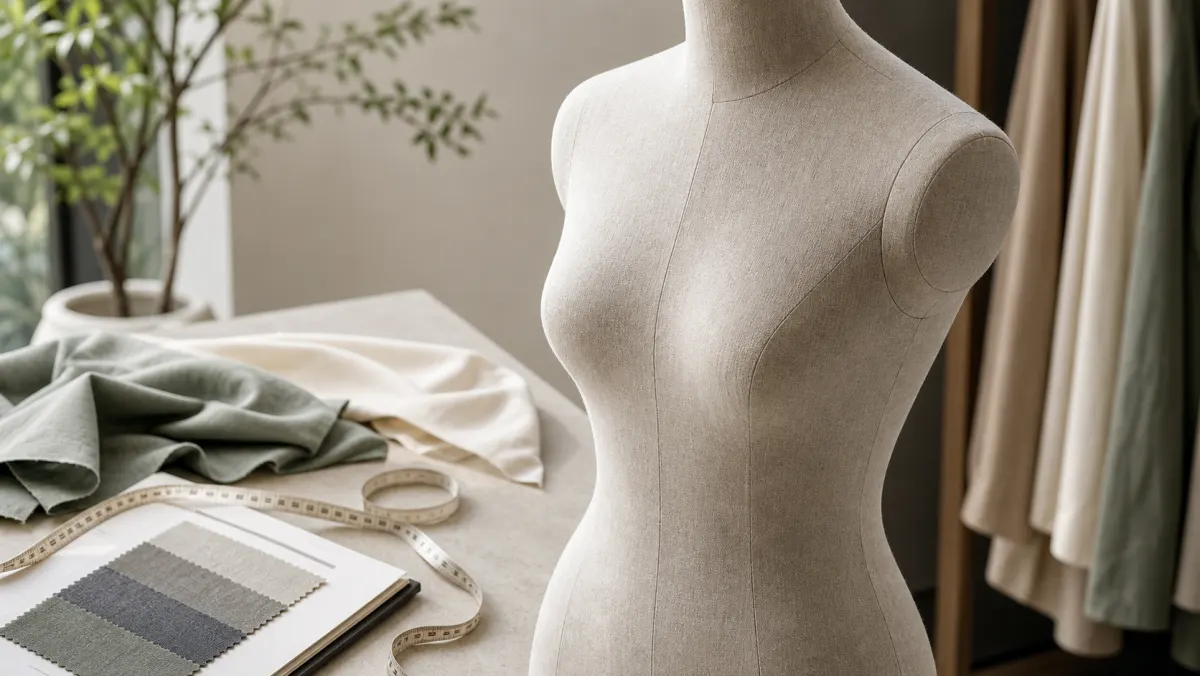
For fabric-covered and custom retail display mannequins, proportions should be discussed before sampling because surface material, posture, and garment type can change the final visual effect. Buyers comparing fabric covered mannequins should review proportions together with fabric texture, color, and store lighting.
Comparison: Generic Size Chart vs Retail Display Proportion Brief
| Decision Area | Generic Size Chart | Retail Display Proportion Brief |
|---|---|---|
| Starting point | Body measurements only | Garment category, brand image, and store concept |
| Shoulder line | Basic width measurement | Shoulder slope, jacket support, and hanger-free display effect |
| Waist and hip | Numerical circumference | Visual balance for dresses, tailoring, knitwear, and separates |
| Posture | Often undefined | Brand attitude, viewing angle, window display, and aisle distance |
| Approval method | Measurement check only | Measurement check plus garment test and store-style review |
Buyer Checklist
- List the main garments the mannequin must support, such as tailoring, dresses, outerwear, knitwear, or accessories.
- Define the customer image: elongated, natural, athletic, soft, minimalist, or couture-inspired.
- Confirm shoulder width and slope with real garments, not measurement values alone.
- Review waist and hip balance from the front, side, and 45-degree store viewing angle.
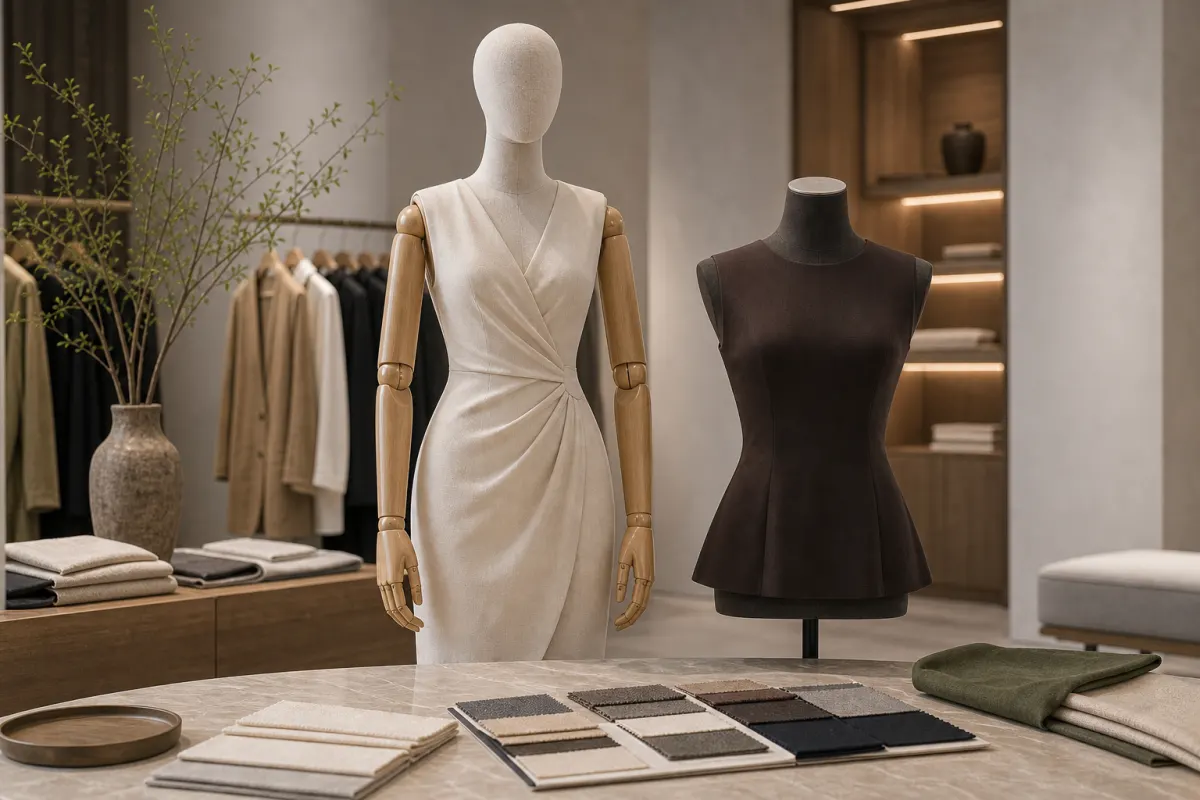
- Check whether the neck, headless treatment, or arm style changes the perceived proportion.
- Document acceptable tolerance for repeat orders after sample approval.
Key Takeaway
The best mannequin proportion brief connects body measurements with retail storytelling. Buyers should approve the form by testing garments, viewing angles, and brand mood together. For projects that require movable styling, proportions should also be checked with mannequins with wooden arms, because arm posture can change how sleeves, bags, and layered outfits read on the shop floor.
For a proportion brief that supports premium retail display and repeatable sampling, share your garment category, store concept, target silhouette, and sample review needs through the XINTU contact page.