

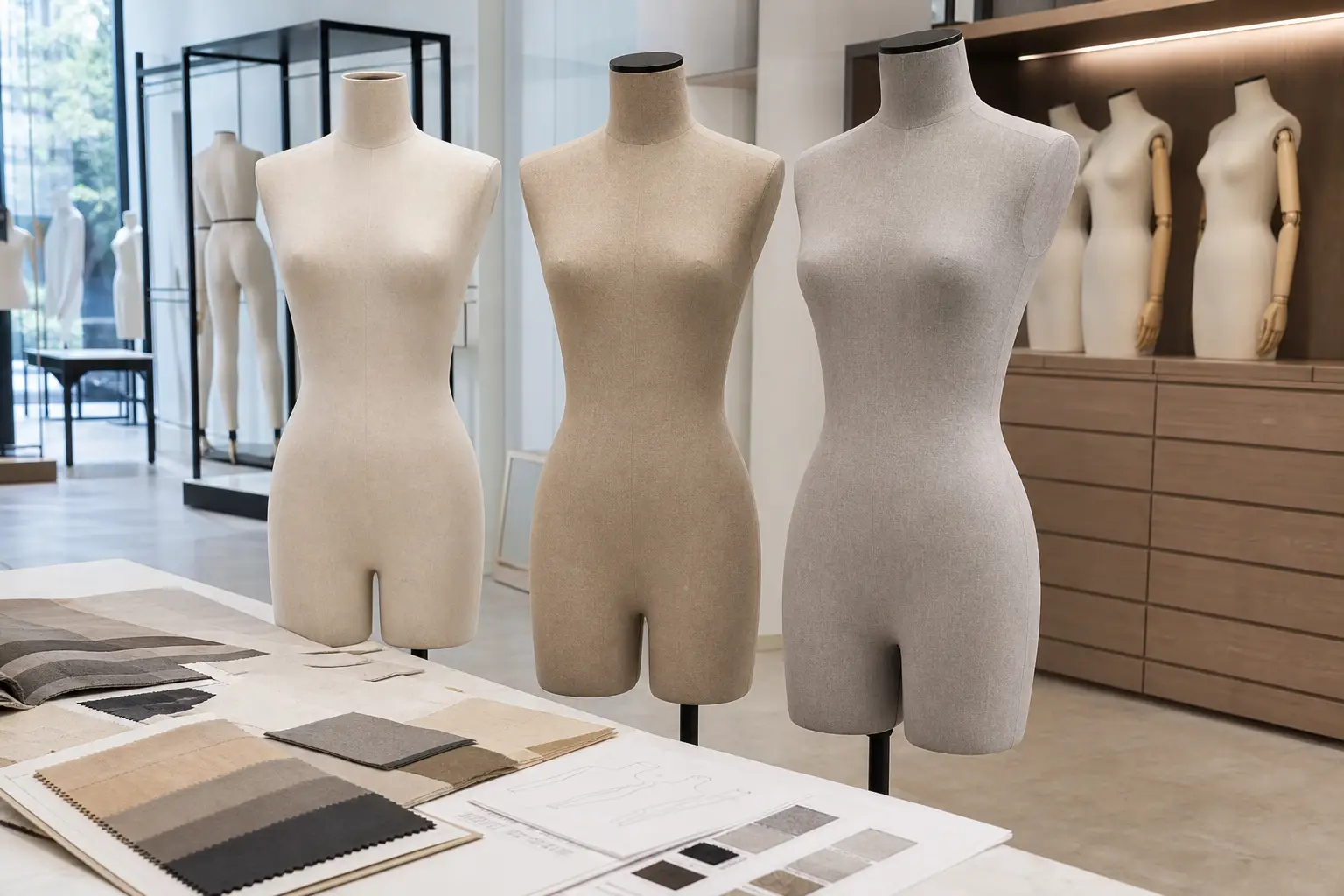
A custom mannequin sampling timeline depends on how clear the brief is, how much must be customized, how many approval rounds are expected, and how quickly both sides confirm details. Overseas projects often move slower not because production is impossible, but because measurements, finish references, body proportion, packaging needs, and approval comments travel across teams and time zones. Buyers who want faster progress should begin with a more complete RFQ instead of asking for a quote first and clarifying everything later. The more precisely the product direction, quantity, target date, and sample criteria are defined upfront, the easier it becomes for a supplier to sequence sample work, revision feedback, and production planning without avoidable delay.
Definition
A custom mannequin sampling timeline is the period between a buyer’s initial approved brief and a sample that is ready for review or approval. For international projects, it usually includes concept alignment, specification confirmation, sampling, feedback, and revision coordination before bulk production can start.
Why Timelines Stretch
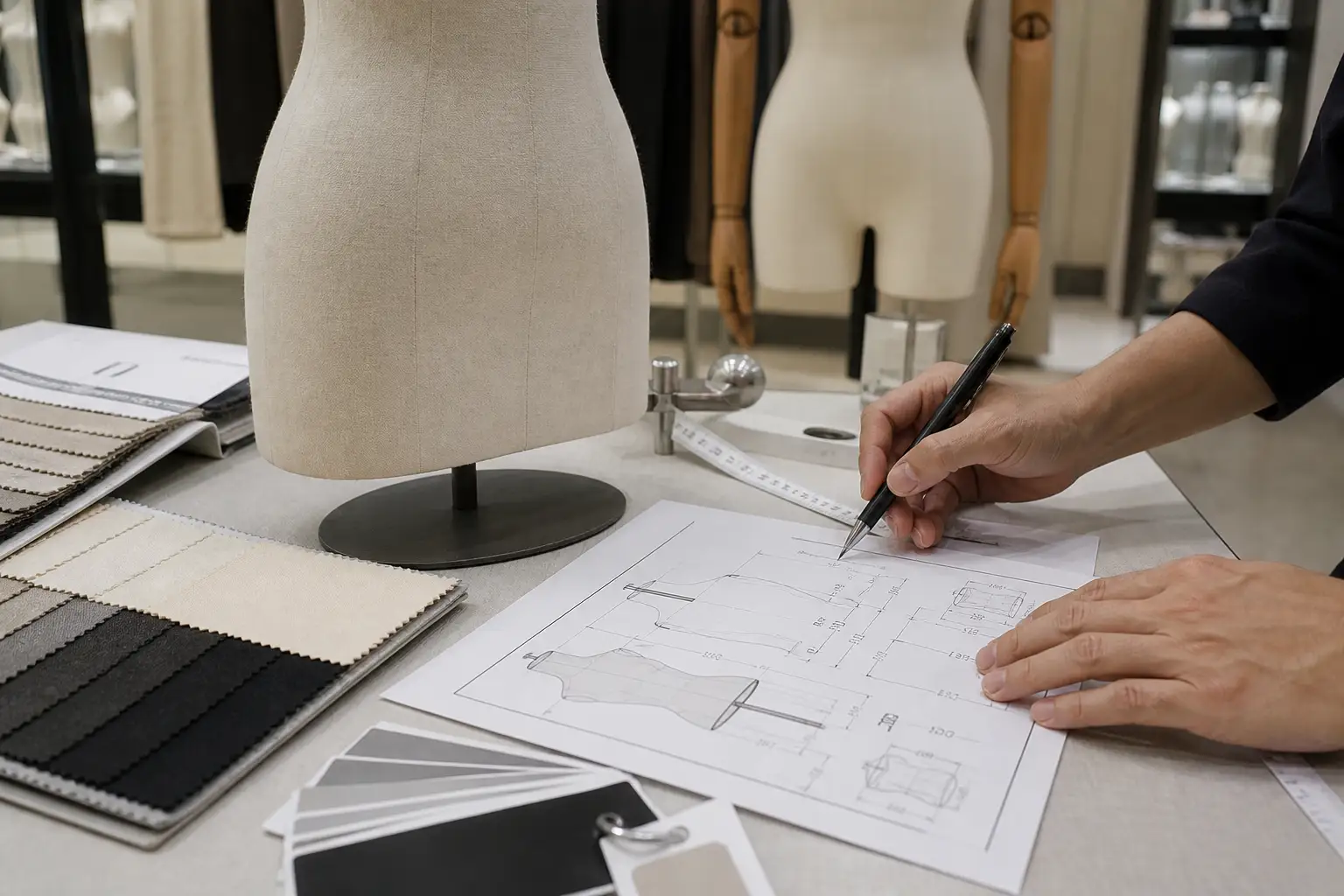
Most delays come from unclear specifications, late feedback, or changes introduced after the first sample direction is already underway. When multiple stakeholders review the same sample, approval timing becomes even more important than factory speed alone.
Key Options Compared
| Project Condition | Timeline Effect | Buyer Response |
|---|---|---|
| Clear brief with stable references | Faster initial sampling and fewer revisions | Lock the approval checklist early. |
| Multiple custom changes introduced late | Longer timeline and more back-and-forth | Separate must-have changes from optional refinements. |
| Cross-border multi-team approval | Slower sign-off even if sample work is ready | Assign one final decision owner. |
What Buyers Should Include in the First RFQ
Buyers requesting custom retail display mannequins should send reference images, body direction, finish preference, quantity, target date, and any packaging concerns at the beginning. If the project involves fabric finishes, the fabric mannequin category can help define the expected visual language. If the project requires wood-arm styling, the fabric covered mannequin with wooden arms reference is useful for describing arm and finish combinations.
How Buyers Can Shorten the Approval Cycle
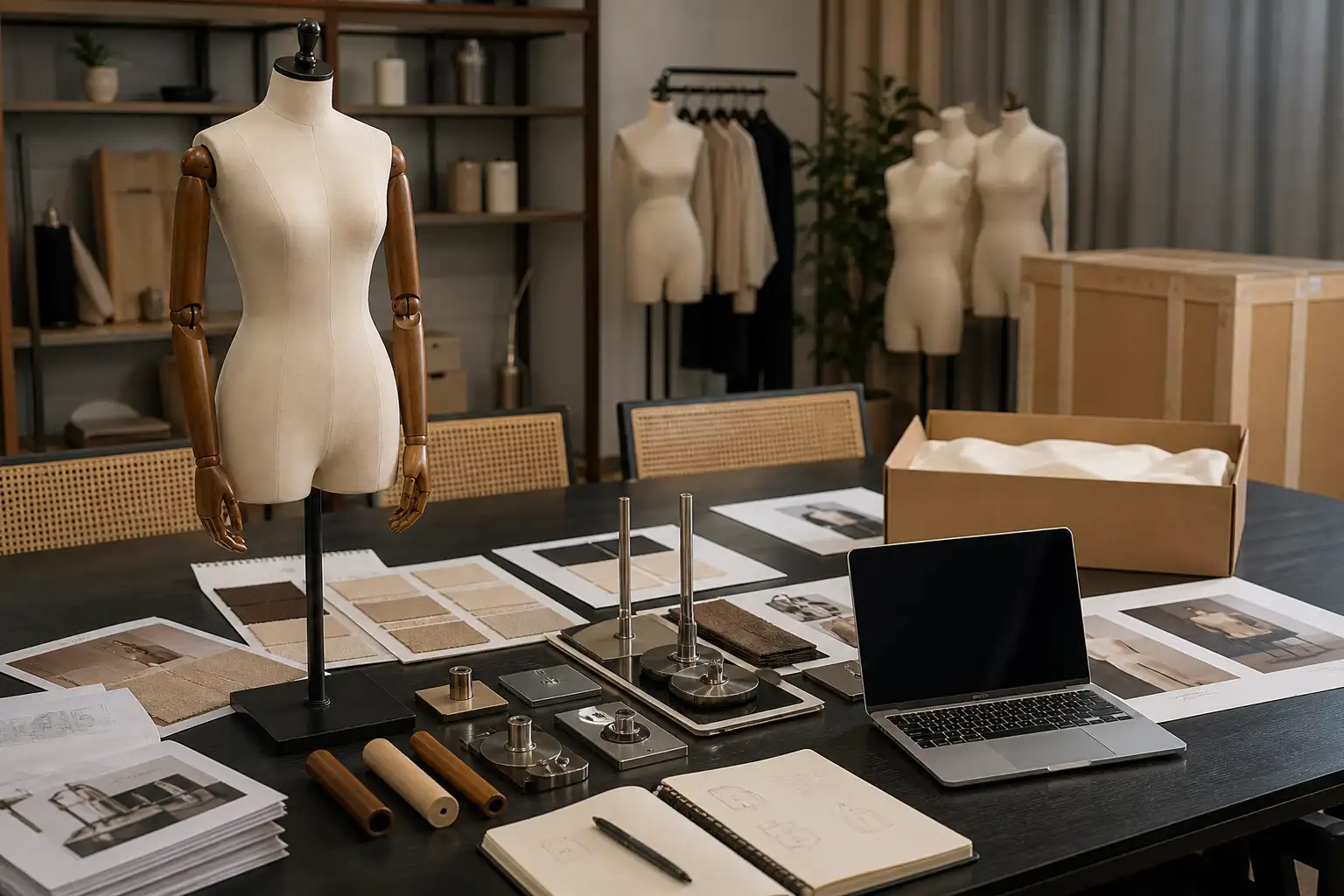
Use a single approval checklist covering body shape, posture, finish, arm details, base, and packaging assumptions. Consolidated feedback is better than fragmented comments from different teams. Buyers should also confirm who gives the final sign-off before the sample reaches the review stage.
Buyer Checklist
- Send complete reference images and explain the intended store display context.
- Identify which details are mandatory and which are optional refinements.
- Set one internal owner for final sample feedback.
- Confirm whether photos, a physical sample, or both are required for approval.
- Document packaging and delivery expectations early.
- Keep revision comments consolidated and dated.
Key Takeaway
Sampling timelines for overseas custom mannequin projects are shaped as much by buyer-side clarity and approval discipline as by supplier capability. Better briefs and cleaner sign-off processes usually save more time than pushing for unrealistic speed.
Why Work with XINTU
Teams comparing options can review XINTU custom mannequin manufacturer information before starting an RFQ so sampling discussions begin with clearer project references and fewer assumptions.
Start with a Clear Brief
If you are planning a new retail rollout or store refresh, send a custom mannequin RFQ with references, quantity, finish direction, and timeline expectations so the sample process can start with fewer avoidable revisions.
For a broader view of how projects run end to end, see our custom mannequin manufacturing overview, or what to prepare before sampling begins.