

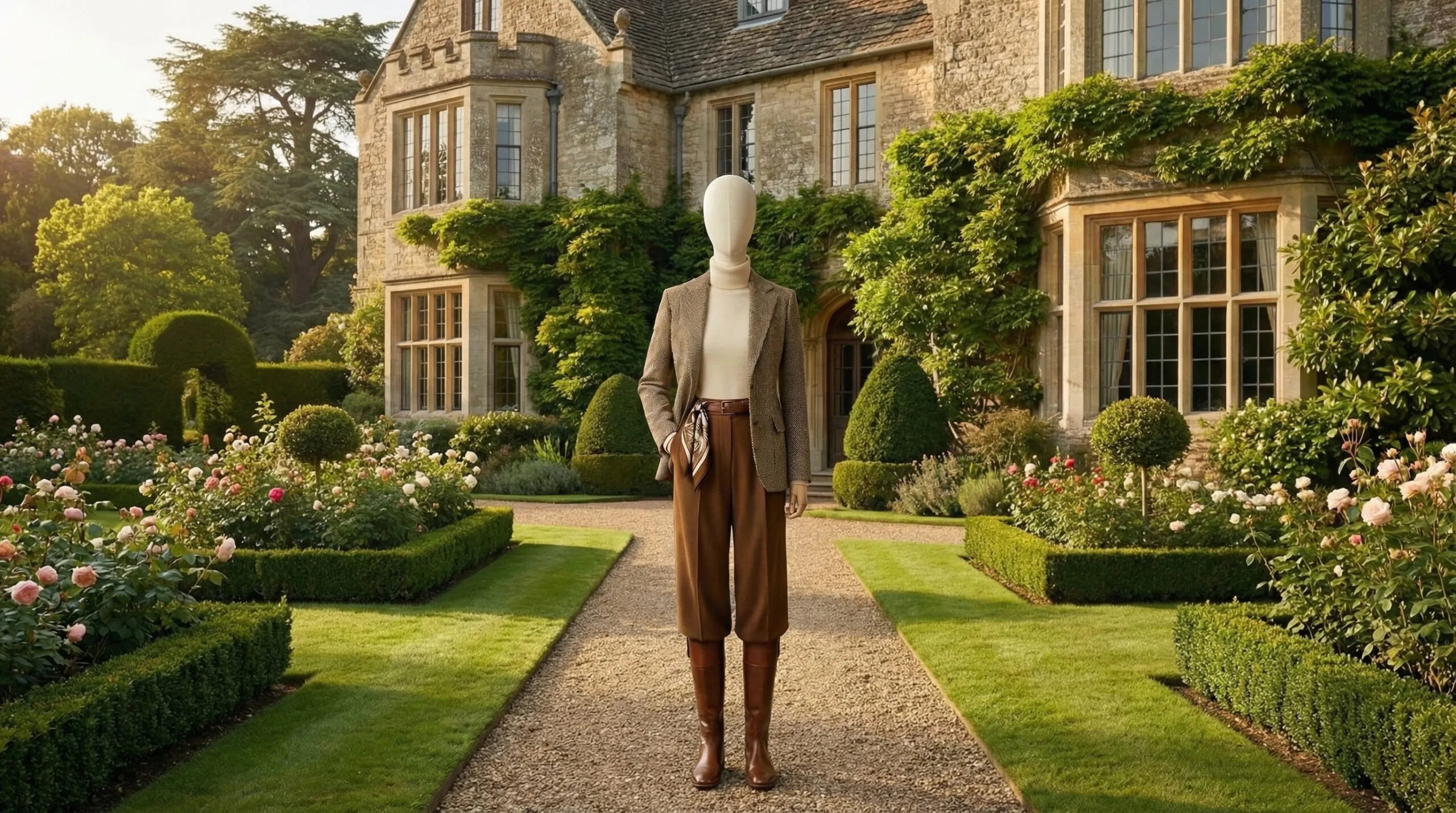
In high-end retail environments, fabric covered mannequins have become an essential visual merchandising tool for fashion brands, boutique retailers, and display designers. Compared with traditional glossy mannequins, fabric covered mannequins offer a softer visual texture, improved garment presentation, and a refined atmosphere that aligns perfectly with luxury retail aesthetics.
Today, leading fashion brands increasingly choose fabric covered mannequins because they create a more natural presentation of garments while maintaining a sophisticated store environment. For visual merchandisers, the right mannequin is not simply a display prop — it is a key element of brand storytelling.
Why Fashion Brands Choose Fabric Covered Mannequins
The growing popularity of fabric covered mannequins is closely related to the evolution of retail design. Modern boutiques emphasize atmosphere, texture, and emotional experience. A mannequin with a textile surface naturally blends into store interiors and enhances the perception of quality.
Unlike reflective fiberglass finishes, fabric surfaces diffuse light softly and reduce unwanted reflections. This allows garments to stand out while maintaining a balanced visual environment for customers and photographers.
Improved Visual Texture
Fabric covered mannequins provide a warm and tactile appearance that complements luxury fashion. Materials such as linen, cotton, or textured fabrics help garments look more natural, especially when displaying premium fabrics like wool, silk, or cashmere.
Better Photography and Window Display
Retail stores frequently photograph their displays for marketing campaigns and social media. Fabric covered mannequins reduce glare and allow photographers to capture garments more accurately, making them ideal for window displays and brand campaigns.
Store lighting decides how much of that texture survives. Directional spots and ambient wash both hit a glossy surface as a hard highlight, which competes with the garment; a textile surface absorbs the same light softly, so the clothing stays the brightest thing in the window. That is why fabric-covered forms sit more comfortably in boutiques and showrooms built around spotlighting.
Challenges with Traditional Mannequins
While traditional mannequins are still widely used, they present several limitations for luxury retail spaces.
- Highly reflective surfaces that interfere with lighting design
- A colder visual appearance that may conflict with boutique interiors
- Less flexibility when styling layered or delicate garments
Because of these limitations, many brands are transitioning toward fabric covered mannequins to create a more premium in-store experience.
XINTU Fabric Covered Mannequins
XINTU specializes in producing high-quality fabric covered mannequins designed for fashion brands, retail chains, and visual merchandising professionals. Our mannequins combine refined textile craftsmanship with durable internal structures, ensuring both visual elegance and long-term performance.
Craftsmanship and Materials
Each mannequin is carefully upholstered with premium fabrics to create a smooth, consistent surface. The internal structure ensures stability and durability, making the mannequins suitable for long-term retail use.
Flexible Styling Options
XINTU fabric covered mannequins can be equipped with adjustable wooden arms or ABS plastic arms, allowing stylists to easily change poses and create dynamic store displays.
Designed for Global Fashion Brands
Our mannequins are widely used in fashion boutiques, department stores, and brand showrooms around the world. The neutral fabric texture allows garments to become the focal point while maintaining a refined retail atmosphere.
How Fabric Covered Mannequins Enhance Visual Merchandising
Visual merchandising is about guiding customer attention and creating an emotional connection with the brand. Fabric covered mannequins play a key role in achieving this goal.
- Enhancing garment presentation
- Creating a warm and inviting store environment
- Supporting brand identity through refined textures
- Reducing reflections in store lighting
These advantages make fabric covered mannequins particularly suitable for luxury fashion stores and premium retail environments.
Applications in Luxury Retail
Fabric covered mannequins are widely used in various retail scenarios:
- Luxury fashion boutiques
- Department store brand counters
- Window display installations
- Seasonal visual merchandising campaigns
- Fashion showrooms
Because of their neutral appearance and soft texture, they integrate seamlessly into modern retail design concepts.
Surface finish is the first fork in the decision. A fabric covering reads warm and tactile and suits boutique-led window concepts, but it commits the project to fabric, color and maintenance decisions up front. Matte paint is simpler to keep clean over time, though it can read colder standing beside soft luxury garments. High gloss creates deliberate drama under strong lighting, at the cost of reflections that pull attention away from garment texture.
Conclusion
As retail environments continue to evolve, fabric covered mannequins are becoming the preferred choice for brands seeking refined visual presentation. Their ability to enhance garment display, reduce visual noise, and create a sophisticated retail atmosphere makes them an essential tool for modern visual merchandising.
For brands looking to elevate their store displays, fabric covered mannequins offer the perfect balance between aesthetics, craftsmanship, and functionality.
FAQ About Fabric Covered Mannequins
Why do luxury brands prefer fabric covered mannequins?
Luxury brands prefer fabric covered mannequins because they provide a softer visual texture, reduce reflections, and enhance the presentation of premium garments.
Are fabric covered mannequins durable for retail use?
Yes. High-quality fabric covered mannequins use strong internal structures and durable upholstery materials designed for long-term retail environments.
Can fabric covered mannequins be customized?
Yes. Many manufacturers offer customization options including fabric type, mannequin pose, arm materials, base style, and brand-specific display requirements.
Are fabric covered mannequins suitable for window displays?
Absolutely. Their matte surface reduces glare and improves photography results, making them ideal for window displays and retail marketing campaigns.
Expert Insight
Retail design experts increasingly recognize that mannequins are not just display tools but extensions of brand identity. Fabric covered mannequins help brands create a calm, elegant visual language that supports storytelling and enhances the overall shopping experience.
Luxury Retail Buyers Need Quiet Detail, Not Generic Display Forms
Luxury retail display depends on restraint, material quality, and consistency across the store environment. For B2B buyers, the practical question is not only which mannequin looks attractive in a single photo. The stronger decision is whether the display form can support the brand’s store concept, garment category, lighting condition, sample approval process, repeat production, and export delivery without creating confusion between design intent and manufacturing reality.
A fabric covered mannequin can make a garment feel more elevated when the fabric tone, body line, and base finish are chosen with the store architecture in mind. This is where a specialist manufacturer matters. XINTU can review mood boards, store renderings, garment samples, fabric references, base concepts, and target market requirements before production. The result is a clearer technical brief for custom fabric mannequins, wooden-arm mannequins, display busts, and retail props.
What a Brand Team Should Specify
- Garment category, including whether the form must support jackets, dresses, pants, accessories, or complete outfits.
- Store environment, including window display, boutique floor, showroom, department-store area, or pop-up retail project.
- Material direction, such as linen, velvet, suede-like fabric, smooth textile wrapping, painted finish, or mixed-material styling.
- Body language, including neutral posture, premium minimal form, childlike proportion, male or female silhouette, or more expressive seasonal direction.
- Production requirement, including sample approval, order quantity, carton standard, delivery country, and repeat-order expectations.
How XINTU Connects Design and Production
XINTU supports this process by confirming surface texture, color, base finish, body proportion, and packing details before the buyer commits to a rollout. Our role is to help the buyer move from inspiration to a repeatable product specification. That means documenting fabric color, proportion, base finish, arm style, packaging, and quality expectations before bulk production starts. For multi-store rollouts, the same confirmed standard can be reused so the brand presentation stays consistent across locations.
Explore related XINTU resources: custom fabric mannequins, custom mannequin manufacturing, selected fabric covered female mannequins, and the RFQ page for project review. If you are planning a new retail display program, include quantity, target finish, store type, and delivery timing in the inquiry so the quotation can be based on the real sourcing requirement.
Related Buyer Guides
For buyers comparing a broader custom display program, these related guides explain why fashion brands use custom display mannequins, how to plan custom clothing mannequins for store windows, how custom mannequin design turns brand direction into production-ready forms, and why fabric mannequins support visual merchandising in boutique and luxury retail environments.
Standard fabric-covered model for programs like this: Fabric Covered Female Mannequin