

In contemporary fashion retail, custom mannequin design has become an important part of visual merchandising. Fashion brands increasingly seek display solutions that reflect their identity, craftsmanship, and design philosophy. A well-designed mannequin is no longer just a display tool—it is an extension of the brand itself.
As retail environments evolve, brands are moving away from generic display forms and toward customized mannequin solutions that align with their aesthetic language. Custom mannequin design allows brands to control proportions, materials, textures, and styling flexibility, ensuring every display element supports the overall brand story.
The Evolution of Custom Mannequin Design in Modern Retail
The concept of custom mannequin design has developed significantly over the past decade. Earlier retail displays relied heavily on standardized mannequins that offered limited variation. While functional, these displays often lacked individuality.
Today, fashion brands seek mannequins that mirror the sophistication of their collections. Custom mannequin design allows designers to create forms that reflect brand personality while maintaining practical functionality for daily retail use.
From Standard Forms to Brand Identity
Traditional mannequins were designed primarily for durability and cost efficiency. However, modern visual merchandising requires mannequins that enhance brand identity. Custom mannequin design makes it possible to adjust body proportions, posture, and styling details to better reflect the mood of a brand.
Whether the brand aesthetic is minimal, avant-garde, or classic luxury, tailored mannequin forms allow retailers to build cohesive visual environments.
Fabric and Material Choices in Custom Mannequin Design
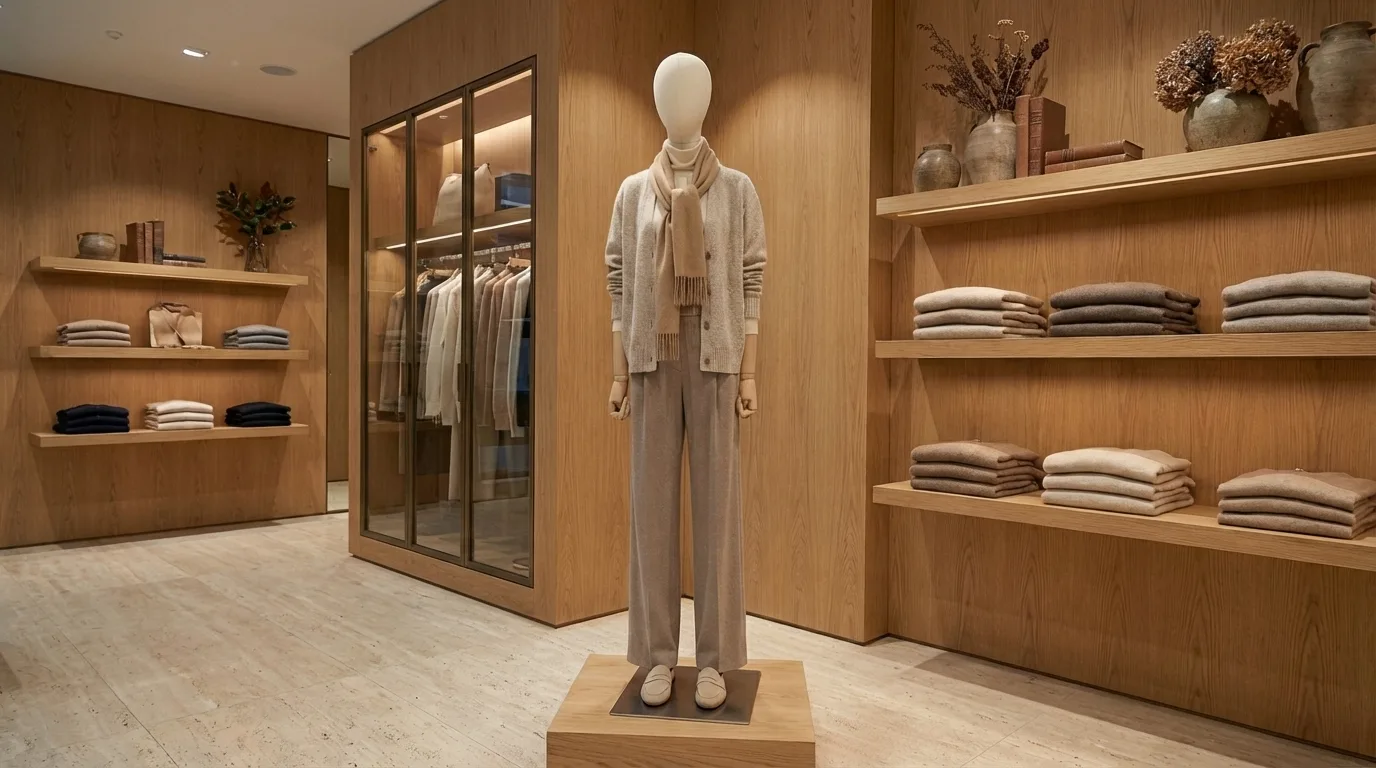
Material selection plays a crucial role in custom mannequin design. Many luxury brands prefer mannequins with textile surfaces, as fabric creates a softer and more refined appearance compared with glossy finishes.
Fabric surfaces also improve garment presentation by reducing reflections and allowing clothing textures to stand out.
Textile Surfaces for Premium Displays
Textile-covered mannequins are often used in boutiques and fashion showrooms. Linen, cotton, and other refined fabrics provide subtle texture while maintaining a neutral visual foundation for garments.
This makes them particularly suitable for displaying high-quality clothing such as tailored suits, knitwear, and designer collections.
Structural Engineering and Durability
Behind the elegant appearance of custom mannequins lies a carefully engineered internal structure. High-quality mannequins are built with durable fiberglass cores and stable metal bases to ensure long-term retail use.
Adjustable components such as articulated wooden arms or ABS plastic arms allow stylists to modify poses and create dynamic displays.
How Custom Mannequin Design Supports Visual Merchandising
Visual merchandising is not only about presenting clothing—it is about guiding the customer’s perception of the brand. Custom mannequin design helps retailers create displays that feel cohesive, intentional, and visually balanced.
- Enhancing garment presentation
- Supporting brand storytelling
- Creating visually harmonious retail spaces
- Improving photography for marketing and social media
Because mannequins often occupy the focal point of store windows and interior displays, their design directly influences how customers experience a collection.
Collaboration Between Designers and Mannequin Manufacturers
Custom mannequin design is typically the result of close collaboration between fashion brands, visual merchandisers, and experienced manufacturers. Designers provide the creative vision, while manufacturers translate those ideas into functional display forms.
This collaborative process may include:
- Concept sketches and design references
- Prototyping and form adjustments
- Material selection and surface finishing
- Testing stability and durability
The goal is to produce mannequins that combine aesthetic precision with practical usability.
The Future of Custom Mannequin Design
As retail continues to evolve, custom mannequin design will play an increasingly important role in brand differentiation. With the rise of experiential retail, store environments are becoming more immersive and storytelling-driven.
Custom mannequins will continue to adapt to these trends by offering greater flexibility in posture, materials, and styling possibilities.
For fashion brands seeking to create distinctive retail experiences, investing in custom mannequin design is an effective way to elevate visual merchandising and reinforce brand identity.
FAQ About Custom Mannequin Design
What is custom mannequin design?
Custom mannequin design refers to the process of creating mannequins tailored to a brand’s specific visual identity, including customized proportions, materials, finishes, and styling features.
Why do fashion brands choose custom mannequins?
Brands choose custom mannequins because they help create distinctive retail displays and support consistent brand storytelling across stores and showrooms.
Can custom mannequins improve retail displays?
Yes. Custom mannequins enhance garment presentation and allow retailers to create cohesive visual merchandising concepts.
What materials are used in custom mannequins?
Custom mannequins often combine fiberglass structures with textile coverings, metal bases, and adjustable arms to ensure both durability and visual elegance.
Expert Insight
In luxury retail design, mannequins are increasingly viewed as sculptural elements within the store environment. Through thoughtful custom mannequin design, brands can create a unique visual language that reinforces their identity and enhances the overall customer experience.
Turning Custom Mannequin Design into a Production Brief
Custom mannequin design has become a practical sourcing discipline for brands that need store fixtures to express identity and still remain repeatable in production. For B2B buyers, the practical question is not only which mannequin looks attractive in a single photo. The stronger decision is whether the display form can support the brand’s store concept, garment category, lighting condition, sample approval process, repeat production, and export delivery without creating confusion between design intent and manufacturing reality.
A strong design brief connects creative direction with body proportion, material selection, arm style, base structure, packaging, and quality control. This is where a specialist manufacturer matters. XINTU can review mood boards, store renderings, garment samples, fabric references, base concepts, and target market requirements before production. The result is a clearer technical brief for custom fabric mannequins, wooden-arm mannequins, display busts, and retail props.
What a Brand Team Should Specify
- Garment category, including whether the form must support jackets, dresses, pants, accessories, or complete outfits.
- Store environment, including window display, boutique floor, showroom, department-store area, or pop-up retail project.
- Material direction, such as linen, velvet, suede-like fabric, smooth textile wrapping, painted finish, or mixed-material styling.
- Body language, including neutral posture, premium minimal form, childlike proportion, male or female silhouette, or more expressive seasonal direction.
- Production requirement, including sample approval, order quantity, carton standard, delivery country, and repeat-order expectations.
How XINTU Connects Design and Production
For custom mannequin design projects, XINTU separates visual direction from production variables so buyers can approve the right details before the order moves into repeat manufacturing. Our role is to help the buyer move from inspiration to a repeatable product specification. That means documenting fabric color, proportion, base finish, arm style, packaging, and quality expectations before bulk production starts. For multi-store rollouts, the same confirmed standard can be reused so the brand presentation stays consistent across locations.
Explore related XINTU resources: custom fabric mannequins, custom mannequin manufacturing, selected fabric covered female mannequins, and the RFQ page for project review. If you are planning a new retail display program, include quantity, target finish, store type, and delivery timing in the inquiry so the quotation can be based on the real sourcing requirement.