

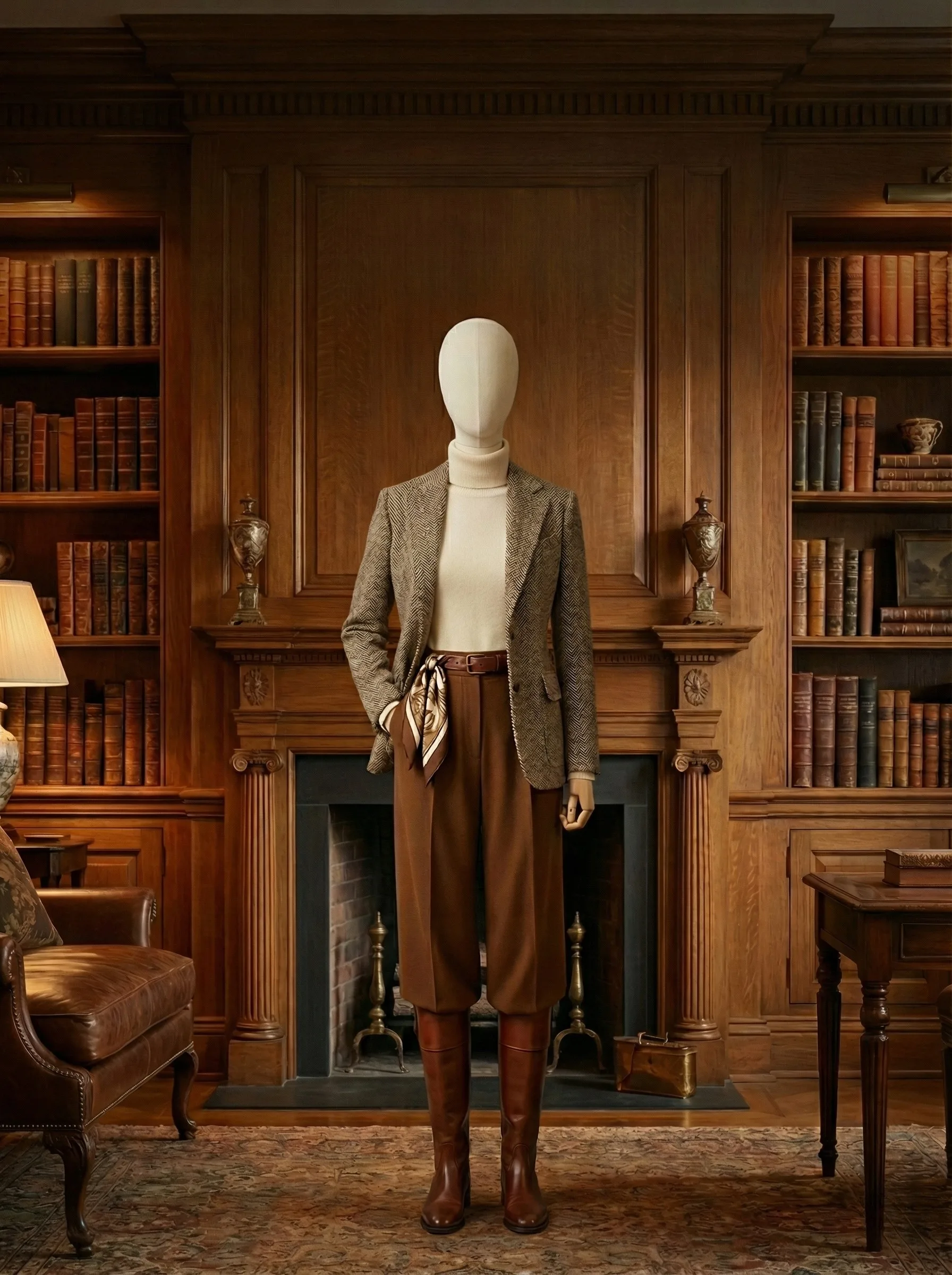
Custom display mannequins play a critical role in modern fashion retail, shaping how brands communicate identity, positioning, and emotional value in physical stores. Unlike standard off-the-shelf forms, custom display mannequins allow fashion brands to translate abstract brand concepts into tangible visual experiences that resonate with customers.
As competition intensifies and retail environments become more experience-driven, mannequins are no longer neutral tools. They function as visual ambassadors, reinforcing brand differentiation and supporting long-term visual merchandising strategies.
1. Brand positioning and custom display mannequins
Every fashion brand has a distinct visual language. Luxury brands often require restrained proportions and refined postures, while contemporary or directional labels may seek expressive silhouettes. Custom display mannequins help align physical presentation with brand positioning, ensuring visual consistency across storefronts, showrooms, and flagship locations.
2. Custom display mannequins for different target customers
Target audience plays a decisive role in display decisions. Brands aimed at younger consumers may prioritize dynamic poses and modern aesthetics, while heritage or premium brands tend to emphasize timeless elegance. Custom display mannequins enable brands to fine-tune posture, proportion, and material expression to match customer expectations and purchasing psychology.
3. Product categories and custom mannequin compatibility
Different apparel categories place different technical demands on mannequins. Tailored garments, outerwear, knitwear, and structured fashion all require specific support points and proportions. Custom display mannequins are developed with garment compatibility in mind, ensuring accurate fit, proper drape, and stable presentation in real retail conditions.
4. Brand storytelling through custom display mannequins
In high-end retail, mannequins contribute directly to storytelling. Materials, finishes, and surface treatments become part of the narrative, reflecting brand heritage, craftsmanship, or contemporary design values. Through bespoke development, custom display mannequins transform brand DNA into a physical, three-dimensional experience that customers can intuitively understand.
5. Store architecture and lighting influence mannequin selection
Store layout, ceiling height, lighting temperature, and spatial rhythm all affect how mannequins perform visually. A form that works well in one environment may appear out of balance in another. Custom display mannequins are developed to harmonize with architectural context and lighting design, ensuring consistent visual impact across different retail spaces.
6. Differentiation as a long-term retail strategy
In a saturated retail landscape, differentiation is not optional. Custom display mannequins help fashion brands stand out, strengthen recognition, and create emotional connections with customers. Rather than short-term display costs, they function as long-term brand assets that support consistent visual identity and competitive positioning.
7. Future trends in custom display mannequins
The global display industry is evolving toward lighter structures, modular systems, and sustainable material strategies. As digital and physical retail environments continue to converge, custom display mannequins will increasingly support flexible store concepts and future-ready visual merchandising solutions.
Conclusion
Custom display mannequins are essential tools for fashion brands seeking clarity, consistency, and distinction in physical retail environments. By aligning brand identity, customer expectations, and spatial design, bespoke mannequin solutions help transform retail spaces into meaningful brand experiences. The stronger the brand vision, the more important customization becomes.
Custom display mannequins developed by XINTU are widely used by fashion brands, visual merchandisers, and retail designers worldwide, supporting long-term brand growth and global retail consistency.
For broader industry insights, the global fashion retail industry continues to emphasize experiential retail and differentiated visual merchandising as key drivers of brand value.
From Brand Identity to a Repeatable Display Standard
Custom display mannequins are useful when a brand wants its retail environment to feel intentional instead of assembled from standard fixtures. For B2B buyers, the practical question is not only which mannequin looks attractive in a single photo. The stronger decision is whether the display form can support the brand’s store concept, garment category, lighting condition, sample approval process, repeat production, and export delivery without creating confusion between design intent and manufacturing reality.
The mannequin becomes part of the brand system, so the specification should cover proportion, textile feel, arm finish, base design, and long-term reorder needs. This is where a specialist manufacturer matters. XINTU can review mood boards, store renderings, garment samples, fabric references, base concepts, and target market requirements before production. The result is a clearer technical brief for custom fabric mannequins, wooden-arm mannequins, display busts, and retail props.
What a Brand Team Should Specify
- Garment category, including whether the form must support jackets, dresses, pants, accessories, or complete outfits.
- Store environment, including window display, boutique floor, showroom, department-store area, or pop-up retail project.
- Material direction, such as linen, velvet, suede-like fabric, smooth textile wrapping, painted finish, or mixed-material styling.
- Body language, including neutral posture, premium minimal form, childlike proportion, male or female silhouette, or more expressive seasonal direction.
- Production requirement, including sample approval, order quantity, carton standard, delivery country, and repeat-order expectations.
How XINTU Connects Design and Production
XINTU helps buyers decide which details should be custom and which should remain standardized so the final display system stays premium and practical. Our role is to help the buyer move from inspiration to a repeatable product specification. That means documenting fabric color, proportion, base finish, arm style, packaging, and quality expectations before bulk production starts. For multi-store rollouts, the same confirmed standard can be reused so the brand presentation stays consistent across locations.
Explore related XINTU resources: custom fabric mannequins, custom mannequin manufacturing, selected fabric covered female mannequins, and the RFQ page for project review. If you are planning a new retail display program, include quantity, target finish, store type, and delivery timing in the inquiry so the quotation can be based on the real sourcing requirement.