


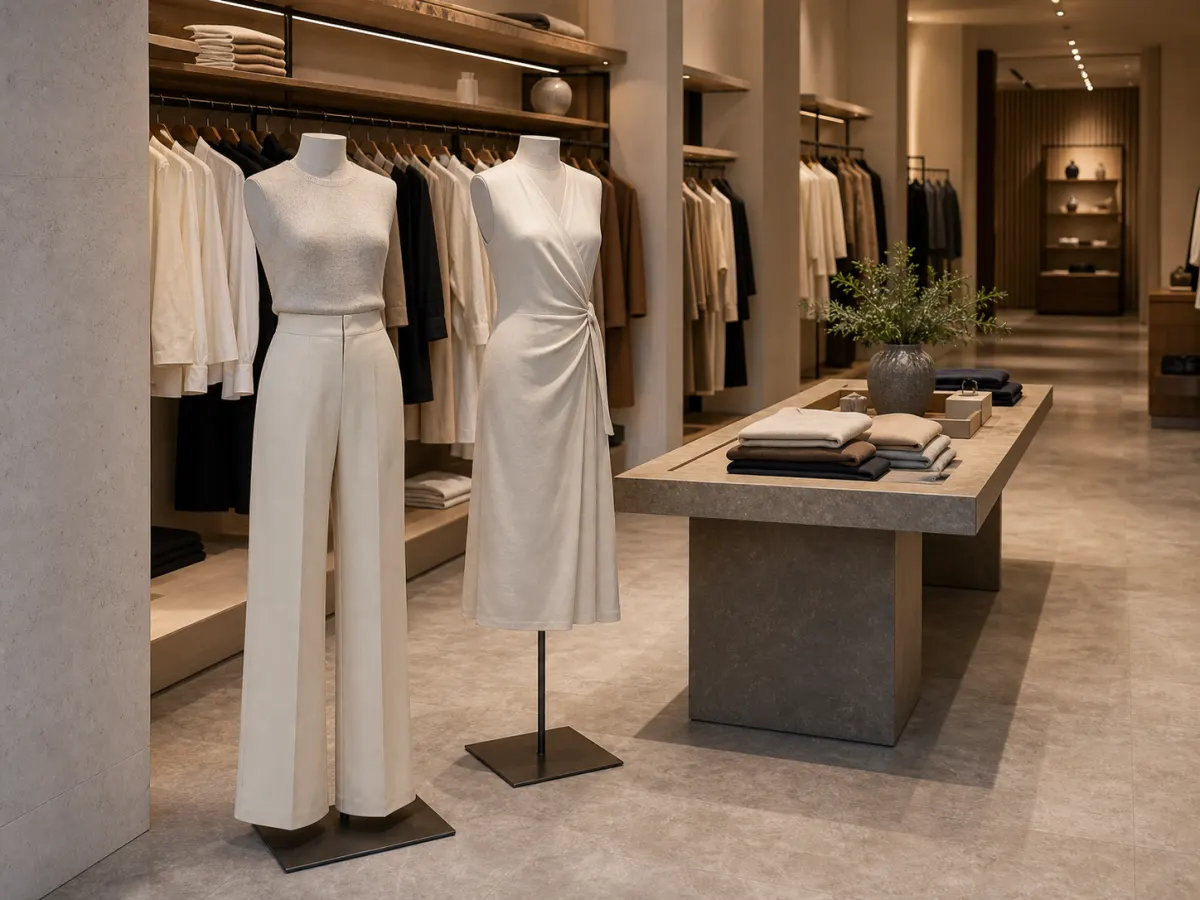
Custom mannequin size grading helps a boutique avoid display pieces that look elegant in a sample room but feel too tall, too narrow, or too crowded on the sales floor. The practical approach is to define the intended garment type, display zone, buyer sightline, base footprint, and proportion family before sample development begins. For premium retail projects, size grading is not only about height. Shoulder width, hip balance, arm position, neck treatment, base diameter, and spacing between mannequins all affect how garments read in a window, feature zone, or wall display.
What Custom Mannequin Size Grading Means
In retail display work, custom mannequin size grading means creating a controlled proportion range for different store formats or merchandise stories. A brand may need a taller form for window impact, a quieter mid-height form for interior capsules, and a compact torso or half-body direction for narrow fixtures. Buyers can start from XINTU’s fabric covered mannequins and then refine measurements around the project brief.
Size Grading Comparison
| Planning Item | Best Use | Buyer Check |
|---|---|---|
| Height range | Window, feature table, wall zone | Check sightline and ceiling clearance. |
| Shoulder width | Jackets, knitwear, layered outfits | Confirm garment drape without stretching. |
| Base footprint | High-traffic boutique areas | Verify aisle clearance and stability. |
| Proportion family | Multi-store consistency | Keep the visual language consistent across stores. |
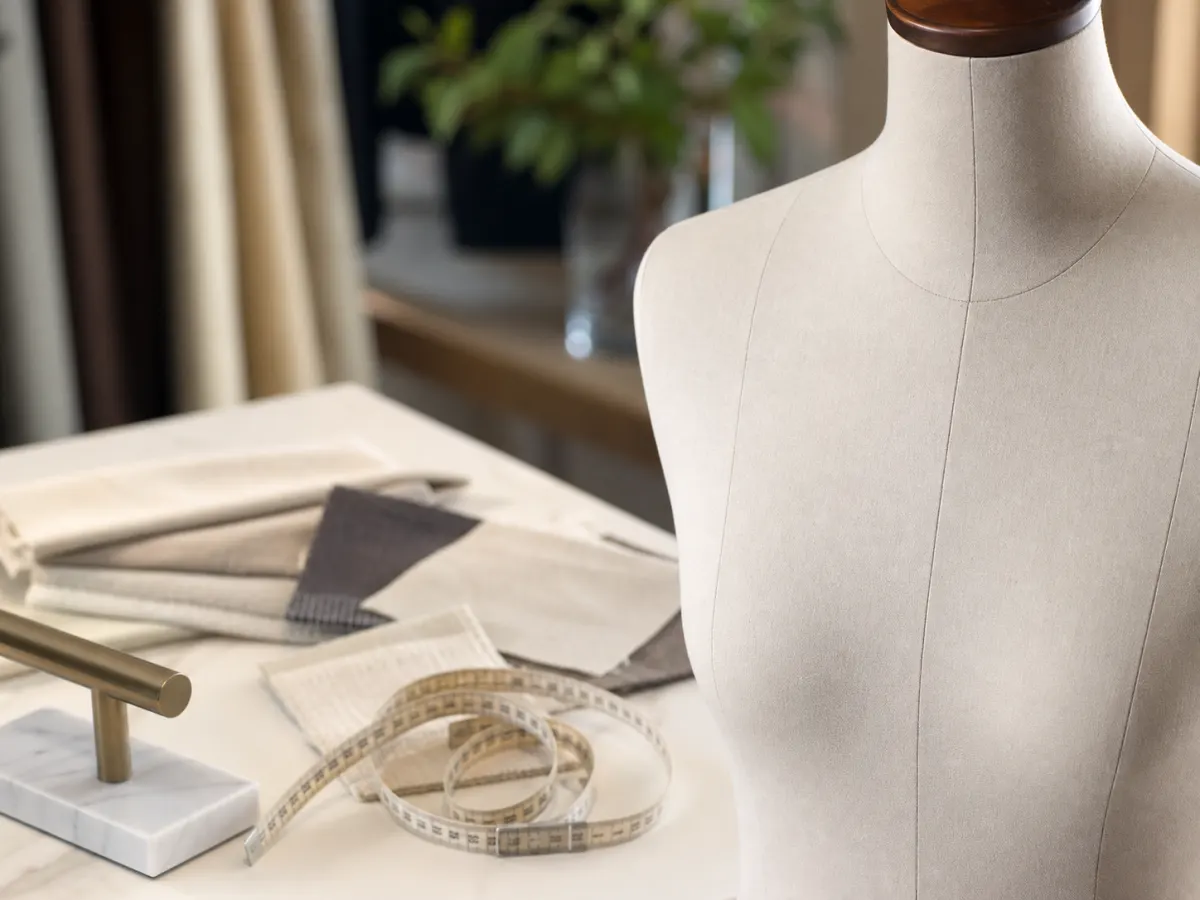
Buyer Checklist
- Define whether the display is for window impact, interior storytelling, or compact merchandising.
- Compare mannequin height with fixture height, lighting angle, and garment length.
- Review shoulder, waist, and hip balance with the garment categories that matter most.
- Confirm base style and footprint before approving a group layout.
- Ask for sample notes that separate fixed specifications from optional styling adjustments.
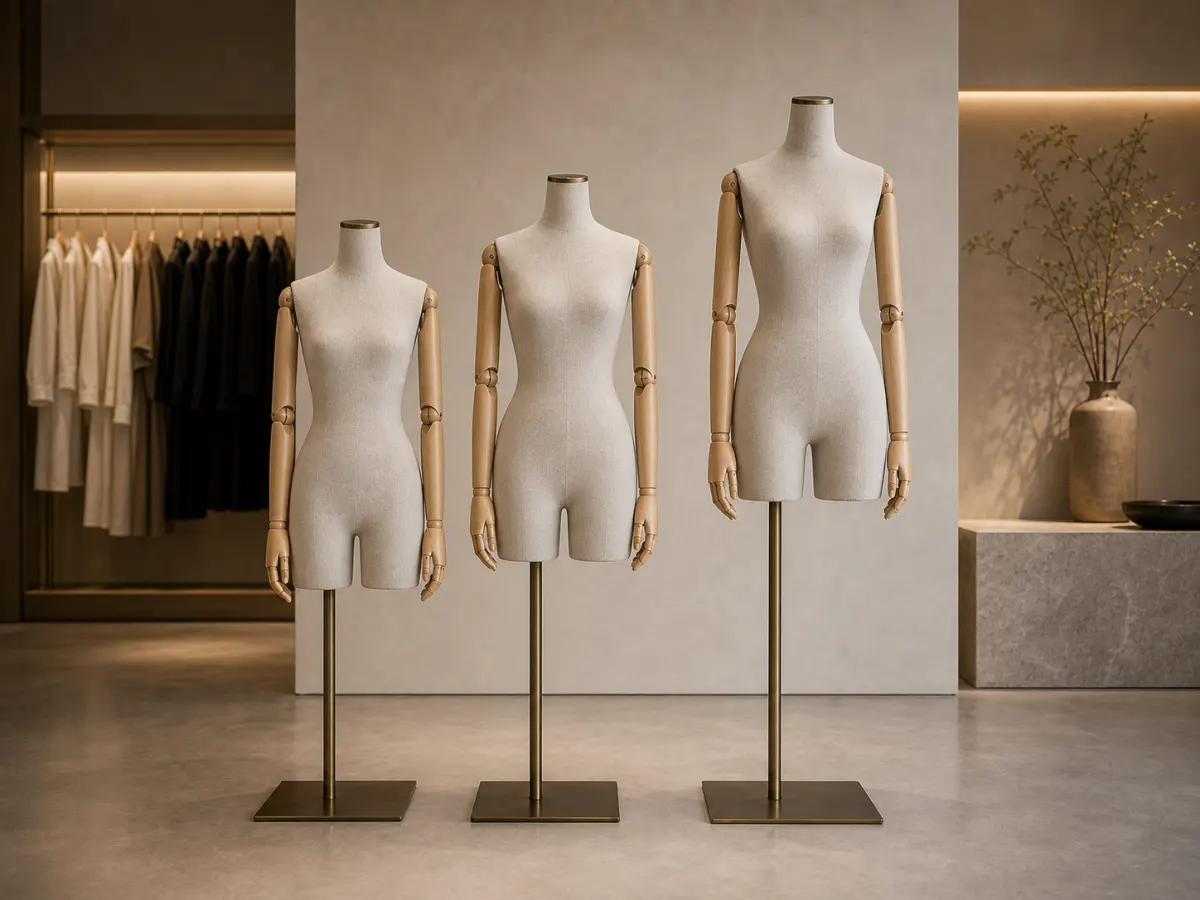
Teams planning a broader display program can compare available retail display mannequin options and align the final proportion brief with store design documents. A concise RFQ should include store type, garment category, quantity estimate, finish preference, and deadline. XINTU’s custom display background is most useful when buyers provide practical display constraints rather than only a mood reference.
Key Takeaway
The strongest custom mannequin size brief connects body proportion, garment behavior, store spacing, and brand tone. For a premium boutique, the goal is not the largest mannequin. It is the most controlled display proportion for the buying environment.
For a focused sizing discussion, share your store format, garment category, target quantity, and timing through the XINTU inquiry page. You can also start from the XINTU homepage to review the current display mannequin focus before preparing an RFQ.