
xintu fiberglass female display mannequins in fashion showroom with various poses and skin tones

Mannequin Display Insights for Fashion Retail

Practical sourcing and visual merchandising guides for fashion brands, boutique retailers, and store design teams choosing custom mannequins, fabric covered forms, wooden arm mannequins, and retail display props.
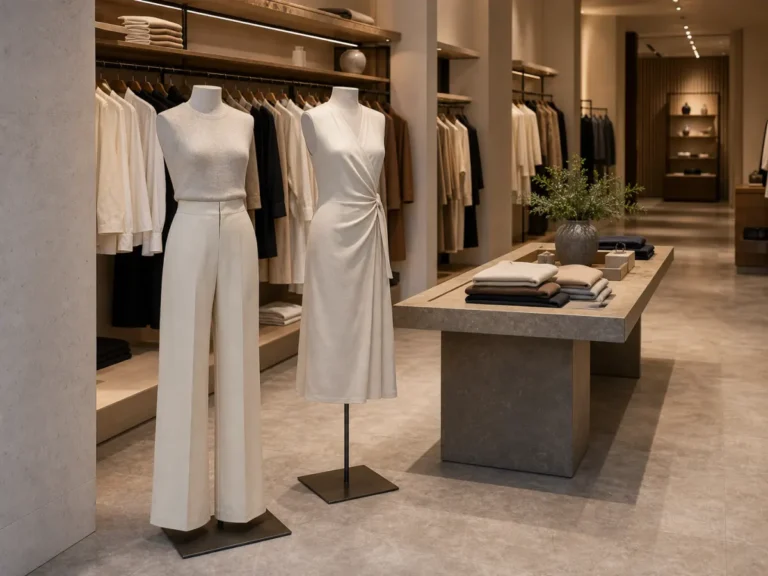
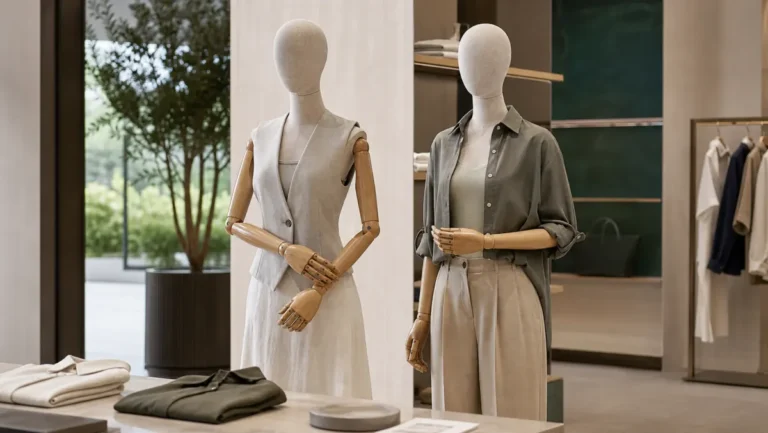
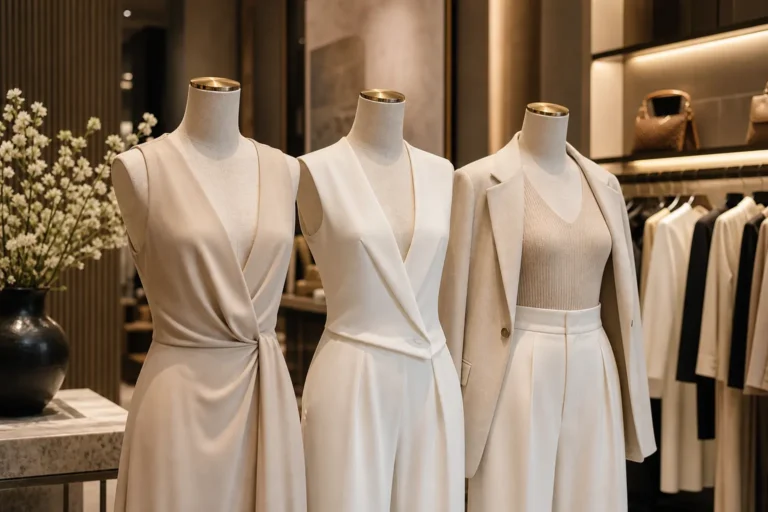
When Headless Mannequins Work Best in Premium Fashion Displays

Headless fabric covered mannequins styled in a premium boutique fashion display

When Headless Mannequins Work Best in Premium Fashion Displays Headless mannequins work best in premium fashion displays when the brand wants the garment silhouette, texture, and styling composition to stay more important than figurative realism. They are especially useful in boutiques and curated retail spaces where the presentation needs to feel controlled, modern, and editorial rather than lifelike.

Read MoreWhen Headless Mannequins Work Best in Premium Fashion Displays

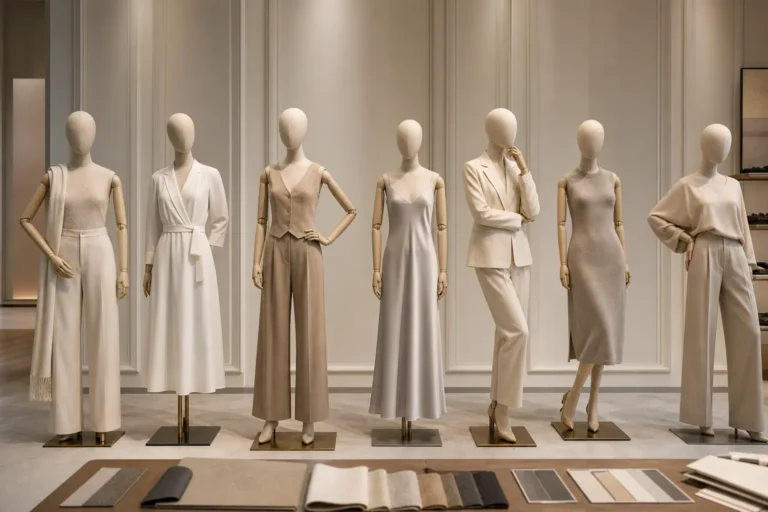
How to Approve a Custom Mannequin Pose Before Sampling Moves to Bulk

Lineup of custom mannequin pose samples under review in a retail display approval studio

How to Approve a Custom Mannequin Pose Before Sampling Moves to Bulk To approve a custom mannequin pose before sampling moves to bulk, buyers should evaluate silhouette, balance, garment fit, styling practicality, and repeatability at the same time instead of approving the pose from a single attractive angle. That matters because a pose that looks elegant in one photo can become awkward once the mannequin is dressed, turned, grouped with others, or repeated across several stores.

Read MoreHow to Approve a Custom Mannequin Pose Before Sampling Moves to Bulk

How Buyers Keep Mannequin Finish Consistency in Multi-Store Rollouts

Lineup of mannequins reviewed for finish consistency in a retail rollout setting

Buyers keep mannequin finish consistency in multi-store rollouts by approving finish standards early, documenting them clearly, and checking repeatability before bulk production starts. The main goal is to prevent visible differences in texture, color tone, sheen, or trim detail between the approved sample and the units delivered across stores. That issue matters more than many buyers expect, because a mannequin rollout can look inconsistent even when body shape and pose are correct. In premium retail, finish inconsistency is often what store teams notice first. The safest approach is to treat finish approval as a controlled process rather than a visual preference discussed once during sampling. In other words, the finish needs its own review criteria, not just a general “looks good” decision.

Read MoreHow Buyers Keep Mannequin Finish Consistency in Multi-Store Rollouts

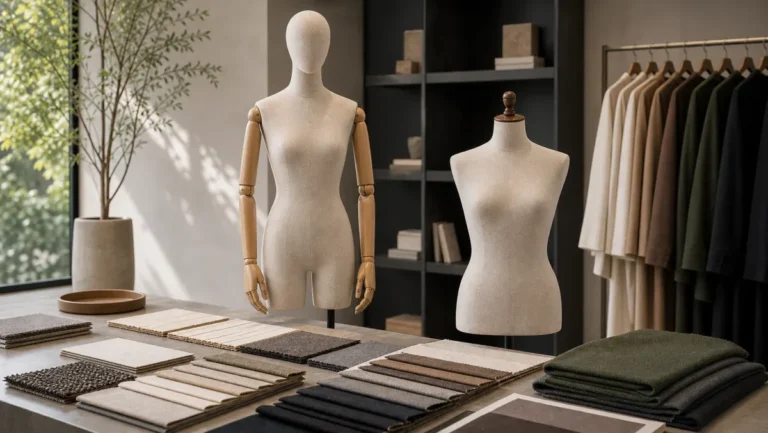
What Boutique Buyers Should Check in Wooden Arm Mannequin Joint Quality

Articulated wooden arm mannequin posed in a premium boutique quality review setup

Boutique buyers should check wooden arm mannequin joint quality by looking at movement control, holding stability, finish consistency, gap alignment, and how the arms behave during real garment styling. Good joints should move with enough flexibility to support display changes, but not feel loose, noisy, or visually rough. This matters because articulated wooden arms are often chosen for premium stores precisely to improve gesture, sleeve shape, and accessory styling. If the joints are weak or inconsistent, the mannequin quickly stops looking refined. A buyer does not need to inspect the mechanism like an engineer. The practical goal is simpler: confirm that the joints look clean, move predictably, and hold premium-looking poses without distracting from the garments.

Read MoreWhat Boutique Buyers Should Check in Wooden Arm Mannequin Joint Quality

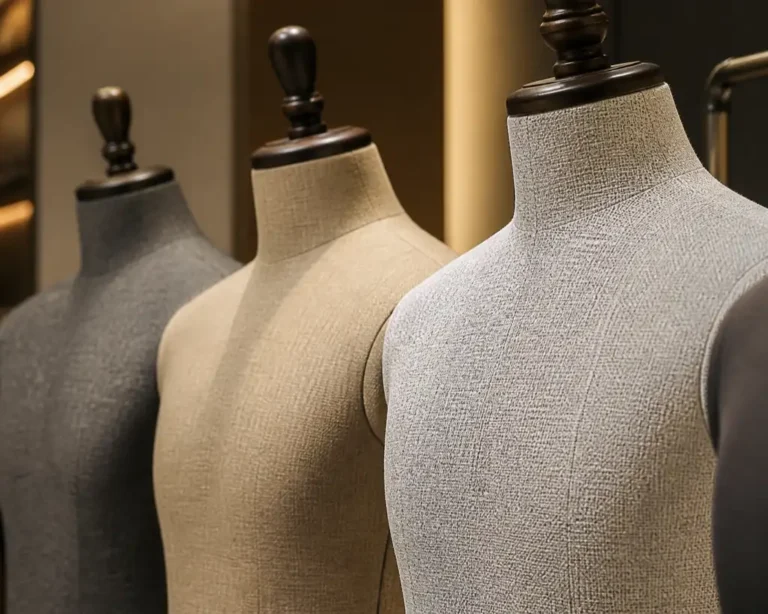
How to Brief a Custom Fabric Mannequin Supplier for Store Rollouts

Close-up review of seam quality and fabric texture on a premium display mannequin

To brief a custom fabric mannequin supplier for a store rollout, buyers should define the garment category, visual direction, body proportion, finish language, quantity plan, and sample approval method before asking for pricing. That preparation matters because a rollout program is not only about choosing a mannequin that looks good in one showroom photo. It is about keeping finish, proportion, posture, and styling logic consistent across multiple stores and delivery batches. A strong supplier brief reduces sample revisions, makes quotations more comparable, and gives the supplier enough context to recommend the right fabric surface, arm structure, and base direction for the project. In practice, the clearest briefs are specific, visual, and operational at the same time.

Read MoreHow to Brief a Custom Fabric Mannequin Supplier for Store Rollouts