


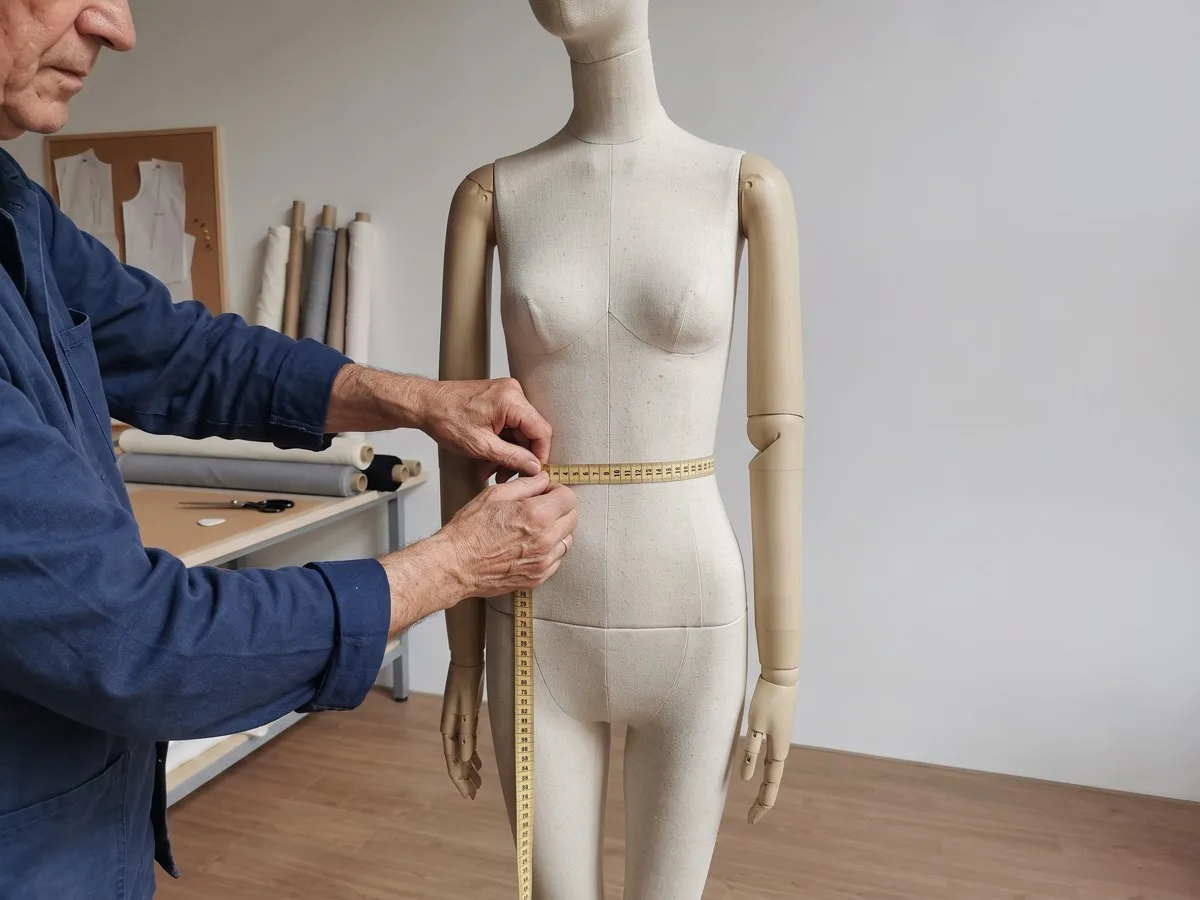
Menyesuaikan mannequin bukan sekadar memilih badan daripada katalog dan menukar warnanya. Projek custom mannequin yang lengkap mengesahkan — sebaik-baiknya mengikut urutan ini — senario runcit, dimensi badan berbanding pakaian sebenar, pose, fabrik permukaan, struktur lengan dan kepala, tapak, piawaian sampel yang diluluskan, dan cara konsistensi dikekalkan dalam pengeluaran pukal. Semakin awal perkara ini ditentukan, semakin cepat pengilang dapat memberitahu anda sama ada badan sedia ada boleh disesuaikan atau pembangunan baharu diperlukan, dan berapa kos projek yang realistik.
Bagi sesebuah jenama, soalan sebenar bukanlah “mannequin mana paling cantik?” tetapi: mannequin mana yang paling sesuai untuk pakaian kami, ruang runcit kami, dan keperluan visual merchandising jangka panjang kami?
Panduan ini menyusuri setiap keputusan mengikut urutan projek sebenar — daripada taklimat pertama hingga penghantaran berbilang kedai.
Perkara yang Perlu Disahkan Sebelum Meminta Sebut Harga
| item | Perkara yang perlu disediakan |
|---|---|
| Senario runcit | Window display, dalam kedai, kedai utama, atau paparan acara |
| Body type | Lelaki / wanita, seluruh badan / torso |
| Ukuran badan | Tinggi, bahu, dada, pinggang, punggung |
| Data pakaian | Saiz pakaian sasaran, carta saiz, atau sampel pakaian fizikal |
| Pose | Berdiri, pergerakan halus, atau pose rujukan tertentu |
| Surface | Jenis fabrik, warna, tekstur |
| Arms | Lengan kayu tetap atau bersendi |
| Head | Tanpa kepala, abstrak, atau lebih terperinci |
| Base | Kedudukan sokongan, bahan, warna |
| Kuantiti | Kuantiti sampel dan anggaran jumlah pukal |
| Skop projek | Negara destinasi, jadual penghantaran, bilangan kedai |
Semakin lengkap taklimat ini, semakin tepat sebut harga, pembangunan sampel dan perancangan pengeluaran.
Ada dua cara yang boleh dipakai untuk mula. Jika anda sudah ada rujukan — display tingkap pesaing, musim lalu, sekeping gambar — hantarkannya dan perbincangan bermula daripada sesuatu yang konkrit. Jika tiada, hantarkan kedudukan brand, pelanggan sasaran, gaya kedai atau tingkap, dan brand yang persembahannya paling hampir dengan anda; itu sudah cukup untuk kilang mencadangkan hala tuju. Kedua-dua jalan berfungsi, dan yang kedua lebih biasa daripada yang disangka pembeli.
Mulakan Daripada Senario Runcit, Bukan Nombor Model
Persekitaran runcit yang berbeza meletakkan tuntutan berbeza pada sesebuah mannequin.
window display kedai berperanan menahan langkah orang di jalan: pose, susunan berkumpulan, sudut pandangan dari luar, dan tindak balas permukaan di bawah pencahayaan paling penting. Pose yang lebih dinamik sesuai untuk kempen bermusim — tetapi semakin dinamik pose, semakin tinggi tuntutan kejuruteraan tapak, pengangkutan dan pemakaian.
Paparan jangka panjang dalam kedai adalah tugas yang berbeza: kestabilan, kemudahan memakaikan pakaian, lengan boleh tanggal dan ketahanan menentukan kos pemilikan sebenar. Pose dramatik yang kelihatan hebat dalam gambar boleh melambatkan kakitangan kedai setiap kali menukar pakaian.
kedai utama tidak seharusnya memilih mannequin secara berasingan. Mannequin menyertai kemasan dinding, lantai, kayu, batu, pencahayaan, kerja logam dan perabot dalam satu bahasa bahan — sebab itulah projek custom perlu bermula dengan menjawab: apakah peranan mannequin ini dalam ruang tersebut? Pemikiran ini kami huraikan secara mendalam dalam mengapa mannequin ialah sebahagian daripada penceritaan jenama.
Tentukan Saiz Badan Berdasarkan Pakaian Anda
“Female mannequin” atau “male mannequin” hanyalah kategori permulaan, bukan spesifikasi. Yang menentukan sama ada sesuatu badan sesuai untuk koleksi anda ialah tinggi, lebar bahu, dada, pinggang, punggung, panjang kaki, saiz kaki dan kadar keseluruhan.
Ukuran mannequin adalah tetap. Jika tidak sepadan dengan pakaian anda, masalahnya serta-merta: jaket tegang di bahu, seluar tidak muat, zip tidak tertutup, atau siluet yang dibina pereka anda langsung tidak terserlah. Prinsip kerjanya:
Pilih badan berdasarkan pakaian yang perlu dipamerkan — bukan berdasarkan figura standard generik.
Jika jenama anda mempunyai sistem saiz tetap, kongsikan saiz pakaian sasaran, carta saiz, sampel pakaian fizikal, atau ukuran mannequin sedia ada anda. Pengeluar dapat menilai dengan cepat sama ada badan sedia ada sesuai. Untuk logik pengukuran penuh, lihat panduan kami tentang menentukan kadar badan mannequin dan merancang penggredan saiz merentas format butik.
Pilih Pose Mengikut Matlamat Visual Merchandising
Pose mengubah cara pelanggan membaca keseluruhan paparan.
- Pose tegak dan bersahaja sesuai untuk paparan jangka panjang dalam kedai, runcit minimalis dan fesyen premium — paling serba boleh merentas koleksi.
- Pergerakan halus — pusingan sedikit, sebelah kaki ke hadapan, anjakan kecil pada bahu — menghidupkan paparan tanpa membiarkan mannequin bersaing dengan pakaian.
- Pose dinamik yang kuat sesuai untuk window display, kempen bermusim dan tema jangka pendek.
Soalannya bukan sekadar “cantikkah ia?” tetapi mampukah pose ini berkhidmat untuk jenama bertahun-tahun, dan bolehkah kakitangan memakaikannya dengan mudah? Pose, sudut kepala dan pusat graviti perlu dimuktamadkan awal — panduan kami tentang mengesahkan pose mannequin tersuai sebelum pengeluaran pukal menerangkan caranya.
Anggap Fabrik Sebahagian daripada Palet Bahan Kedai
Pada fabric mannequin, tekstil bukan sekadar pembalut — ia menentukan pantulan cahaya, suhu visual, sentuhan, dan hubungan antara pakaian, mannequin dan ruang dalaman.
Warna neutral hangat (putih pudar, kelabu hangat) serasi dengan kayu, batu dan pencahayaan hangat; kelabu sejuk sesuai untuk ruang monokrom, fesyen kontemporari dan pakaian lelaki. Ukurannya bukan warna mana “lebih premium”, tetapi sama ada fabrik itu selaras dengan palet bahan jenama. See bagaimana pembeli memilih tekstur fabrik dan cara menyepadankan warna fabrik dengan hiasan dalaman kedai.
Satu amaran praktikal: jangan sesekali meluluskan warna daripada foto telefon. Skrin, pencahayaan, imbangan putih dan pemampatan semuanya mengubah warna. Untuk projek yang kritikal dari segi warna, gunakan sampel fabrik fizikal, swatch warna yang diluluskan atau rujukan Pantone — dan jadikan papan bahan yang diluluskan sebagai piawaian pengeluaran, seperti yang diterangkan dalam panduan kelulusan papan bahan kami.
Bilakah Lengan Kayu Bersendi Masuk Akal?
Lengan kayu bersendi ialah alat visual merchandising, bukan sekadar butiran reka bentuk. Bahu, siku, pergelangan tangan dan jari yang boleh laras membolehkan satu set mannequin digayakan semula untuk setiap koleksi — sebab itulah ia sesuai untuk kedai yang kerap menukar paparan, jenama yang hiasan dalamannya sudah menggunakan kayu asli, dan paparan yang memerlukan gerak tangan yang tepat. Tona kayu (asli, cerah, gelap, hitam, putih atau warna custom) harus mengikut ruang, bukan bertentangan dengannya. Lanjut dalam bagaimana lengan kayu bersendi meningkatkan fleksibiliti penggayaan dan perkara yang perlu diperiksa pada kualiti sendi lengan kayu.
Tanpa Kepala, Abstrak, atau Lebih Terperinci?
Kepala menentukan sejauh mana mannequin anda menonjolkan sifat “manusia”. Tanpa kepala kelihatan bersih, serba boleh dan mengekalkan tumpuan pada pakaian — inilah masa terbaik untuk pilihan tanpa kepala. Kepala abstrak mengekalkan siluet yang lengkap tanpa ciri wajah sebenar, pilihan yang lazim dalam runcit premium moden. Ciri realistik, solekan dan rambut mencipta identiti visual yang kuat — berguna untuk kempen tertentu, tetapi jarang serba guna dalam jangka panjang. Tentukan jenis kepala bersama identiti visual anda, bukan sebagai pilihan yang terasing.
Tapak: Kestabilan, Pemakaian dan Pengendalian Harian
Tapak biasanya disahkan paling akhir, tetapi ia mengawal kestabilan, penukaran kasut, pemasangan, pemindahan dan penyelenggaraan jangka panjang. Mulakan dengan satu soalan praktikal: adakah mannequin ini perlu kerap ditukar kasut? Kedudukan sokongan mengubah jawapannya. Pose dinamik mengalihkan pusat graviti dan menentukan saiz serta struktur tapak. Tapak yang betul mengimbangkan penampilan, kestabilan dan operasi harian.
Bolehkah Badan Sedia Ada Diadaptasi, atau Perlukan Pembangunan Baharu?
Satu pertimbangan ini mempengaruhi kos dan tempoh penghantaran lebih daripada yang lain. Foto rujukan tidak semestinya bermaksud membangunkan badan baharu dari kosong. Jika perkadaran dan pose badan sedia ada sudah hampir, projek mungkin hanya memerlukan perubahan pada fabrik, warna, lengan, kepala, kemasan kayu, perkakasan atau tapak — lebih cepat dan lebih jimat. Perkadaran yang berbeza sama sekali, pose khas atau struktur bukan standard memerlukan pengubahsuaian badan, pembangunan 3D, prototaip atau acuan baharu.
Tugas pertama pengeluar yang berwibawa pada peringkat pertanyaan ialah penilaian teknikal ini — bukan harga segera. Jangkaan tempoh untuk kedua-dua laluan dihuraikan dalam faktor yang mempengaruhi garis masa persampelan custom mannequin.
Sampel Ialah Piawaian, Bukan Pratonton
Dalam projek custom, fungsi sebenar sampel adalah untuk menjadi piawaian yang diluluskan yang mesti dipadankan oleh pengeluaran pukal: ukuran badan, pose akhir, fabrik dan tekstur, warna, tona kayu, kemasan perkakasan, tapak — dan yang paling kritikal, kesesuaian dengan pakaian sebenar anda. Mannequin kosong boleh kelihatan sempurna tetapi tetap gagal sebaik sahaja koleksi dipakaikan. Sentiasa uji sampel dengan pakaian sebenar sebelum kelulusan.
Lima Kesilapan Lazim Ketika Membeli Custom Mannequin
- Menghantar gambar rujukan tanpa ukuran. Gambar menetapkan arah visual; ia tidak dapat menentukan saiz atau kadar badan.
- Meluluskan warna daripada gambar telefon. Gunakan swatch fizikal, sampel fabrik atau rujukan Pantone untuk kerja yang kritikal warnanya.
- Meluluskan mannequin tanpa mencuba pakaian sebenar. Percubaan sampel ialah tempat masalah saiz muncul — sebelum ia berganda.
- Melangkau sampel untuk pesanan besar. Semakin besar jumlahnya, semakin cepat kecacatan kecil menjadi masalah sistemik: isu pada satu sampel menjadi isu pada seratus unit.
- Mengesahkan produk tetapi bukan pembungkusan dan penghantaran. Untuk pelancaran antarabangsa berbilang kedai, reka bentuk karton, perlindungan, kaedah penghantaran, pemasangan dan terma penggantian ialah sebahagian daripada projek.
Perkara yang Perlu Dihantar kepada Pengeluar Mannequin untuk Sebut Harga Tepat
- Basics: lelaki/wanita, seluruh badan/torso, kuantiti, negara destinasi
- Badan dan pakaian: tinggi, bahu/dada/pinggang/punggung, saiz pakaian sasaran, sampel pakaian jika ada
- Appearance: rujukan pose, jenis dan warna fabrik, gaya kepala, lengan, kemasan kayu, tapak
- Konteks projek: imej rujukan, lakaran kedai, gambar mannequin sedia ada, rujukan bahan dalaman, jadual penghantaran yang dijangka
Semakin lengkap taklimat, semakin cepat pengeluar dapat memberitahu sama ada badan sedia ada boleh digunakan, apa yang perlu diubah suai, dan sejauh mana kerumitan pembangunannya.
Daripada Rujukan ke Pengeluaran Besar-besaran: Cara Projek Sebenarnya Berjalan
- Reference — jenama berkongsi imej produk, data pakaian, reka bentuk kedai atau butiran mannequin sedia ada.
- Penilaian teknikal — pengeluar menilai kesesuaian badan, pelarasan yang diperlukan dan kebolehlaksanaan.
- Pemilihan atau pembangunan badan — mengadaptasi badan sedia ada, atau membangunkan yang baharu jika perlu.
- Pengesahan bahan — fabrik, warna, komponen kayu, perkakasan, tapak.
- Pengeluaran sampel.
- Percubaan pakaian — diuji dengan pakaian sebenar jenama.
- Kelulusan sampel — piawaian pengeluaran dimuktamadkan.
- Pengeluaran besar-besaran — dibina mengikut sampel yang diluluskan.
- Kawalan kualiti — ukuran, warna, bahan, pemasangan, keseragaman.
- Pembungkusan dan penghantaran — direka khusus untuk projek dan kaedah penghantaran.
Mengapa Projek Berbilang Kedai Bergantung pada Keseragaman
Menghasilkan satu sampel yang cantik dan menghasilkan tiga ratus mannequin yang seiras ialah dua masalah yang berbeza. Tiada jenama yang mahu mannequin putih gadingnya kelihatan kekuningan di Paris dan seolah-olah fabrik lain di Tokyo. Selepas sampel diluluskan, simpan sampel yang diluluskan, rujukan fabrik dan warna, rujukan kemasan kayu, piawaian perkakasan dan piawaian pembungkusan dalam fail — ia menjadi penanda aras untuk pesanan semula dan untuk setiap kedai baharu. Panduan kami tentang mengekalkan keseragaman kemasan dalam pelancaran berbilang kedai menghuraikan mekanismenya; untuk penilaian di peringkat pembekal, lihat cara pembeli antarabangsa menilai pengeluar custom mannequin.
Nilai Sebenar Custom Mannequin
Penyesuaian bukan tentang menjadi berbeza. Ia tentang melayani satu jenama tertentu dengan lebih tepat: badan yang berkadar dengan pakaian, bahan yang serasi dengan ruang runcit, pose yang dibina untuk pelan merchandising, struktur yang dibuat untuk kegunaan harian bertahun-tahun, dan piawaian pembuatan yang berulang dengan andal di semua kedai.
Hasil terbaik bukanlah pelanggan berfikir “mannequin itu istimewa.” Hasil terbaik ialah pelanggan melangkah masuk ke kedai dan merasakan pakaian, mannequin dan ruang memang diciptakan untuk bersama. Itulah tujuan sebenar custom mannequin.
Mahu Memulakan Projek Custom Mannequin?
Sediakan imej rujukan, saiz pakaian sasaran, kuantiti, fabrik dan kemasan pilihan, keperluan pose serta negara penghantaran. Dengan maklumat ini, pengilang dapat memberitahu anda dengan cepat — dan tepat — sama ada badan sedia ada boleh disesuaikan, atau projek anda memerlukan pembangunan custom lanjutan.
Bacaan lanjut tentang supplier brief dan luxury retail display: Cara Memberi Taklimat kepada Pembekal Custom Fabric Mannequin untuk Pelancaran Kedai, Custom Fabric Mannequin untuk Paparan Runcit Mewah: Panduan 2026